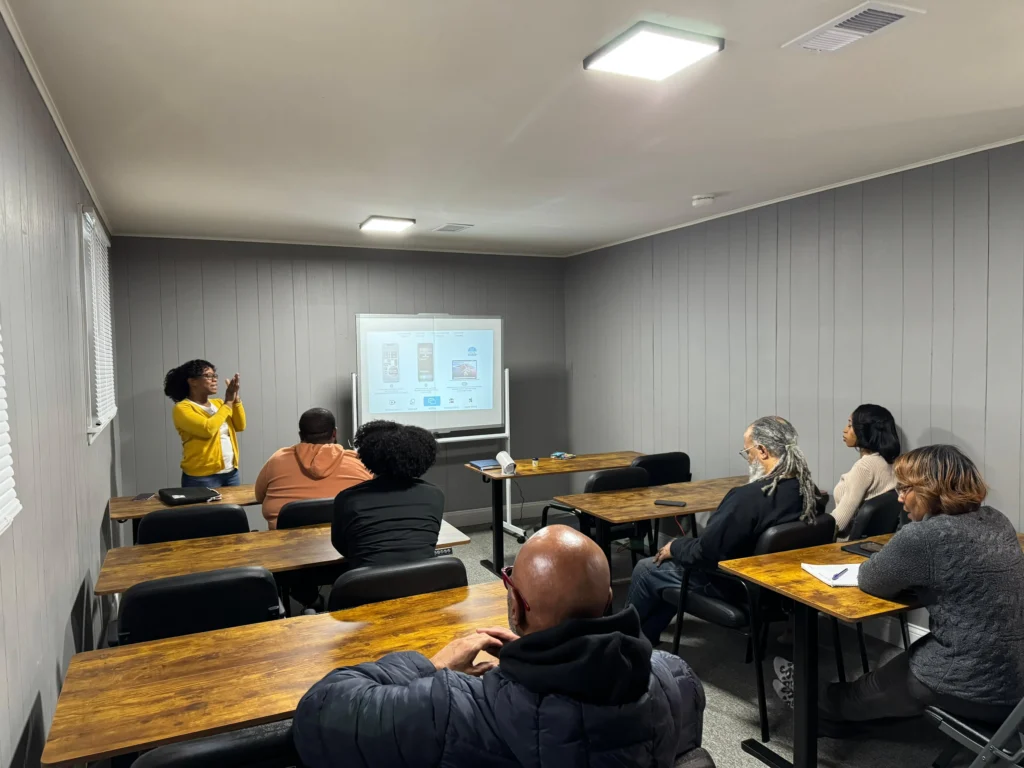
We provide a wide range of continuing education and professional development courses covering mental health wellness, and mental health problems associated with parent-child relationship problems, community violence, Black racial trauma, childhood trauma and related topics for clinical and non-clinical professionals. Course descriptions, training schedule, and details on continuing education units (CEUs) coming soon. Email us at info@fampacwellness.com for additional information on a specific training/workshop for your organization.
We provide continuing education and professional development courses on mental health topics for clinical and non-clinical professionals. We are an approved Association for Play Therapy (APT) continuing education provider for play therapy instruction towards play therapist credentialing. Read more about APT here a4pt.org.
We provide continuing education and professional development courses on a wide range of mental health topics for clinical and non-clinical professionals. We are an approved Association for Play Therapy (APT) continuing education provider for play therapy instruction towards play therapist credentialing. Read more about APT here a4pt.org.
This one-hour workshop is designed to equip church leaders, ministry volunteers, and congregants with foundational knowledge about mental health and its relevance within faith communities. The session explores common mental health concerns, addresses stigma and misconceptions that may exist within religious settings, and highlights the role of the church as a supportive, healing community. Participants will learn how faith and mental health can coexist, how to recognize signs of emotional distress, and how to respond with compassion, cultural humility, and appropriate referral to professional resources when needed.
This one-hour workshop provides an overview of childhood trauma, including its definition, common sources, and developmental impact. Participants will explore how traumatic experiences affect an individual’s emotional, behavioral, cognitive, relational, and spiritual well-being across the lifespan. The session emphasizes a trauma-informed healing-centered perspective and provides practical strategies for fostering safety and resilience. The workshop will also explore the roles of laypersons and helping professionals in supporting recovery and connecting children, adults, and families to appropriate resources.
African Drumming: Beating the Hell Out of Trauma is an experiential, culturally grounded workshop that uses traditional African drumming and rhythm as a pathway for trauma release, emotional regulation, and reconnection to the body and community. Drawing from expressive arts therapy, somatic trauma theory, and African diasporic healing traditions, this workshop invites participants to externalize stress, anger, grief, and stored trauma through rhythm rather than words alone. This 2-hr workshop is accessible to all skill levels and does not require prior musical experience. Emphasis is placed on safety, choice, and cultural respect. Participants will leave with an embodied understanding of how rhythm can be used as a therapeutic tool for stress reduction, emotional expression, grounding, and healing—both individually and within community spaces.
This one-hour workshop is designed to support parents and caregivers of school-age children (approximately ages 6–12) in understanding developmental needs and strengthening effective parenting strategies. The session explores common social, emotional, and behavioral challenges during the elementary and middle school years, including emotional regulation, peer relationships, school stress, and increasing independence. Participants will learn practical, age-appropriate approaches to communication, discipline, and connection that promote resilience, healthy boundaries, and positive parent–child relationships.
This one-hour workshop supports parents and caregivers of school-age children (approximately ages 6–12) who experience challenging behaviors such as defiance, emotional outbursts, inattention, aggression, or withdrawal. The session reframes behavior as communication and explores how developmental factors, stress, trauma, neurodiversity, and environmental demands influence children’s actions. Participants will learn practical, evidence-informed strategies to reduce power struggles, strengthen emotional regulation, and promote positive behavior through connection, consistency, and skill-building rather than punishment. Emphasis is placed on realistic tools parents can apply immediately at home.
Parenting a school-age child with challenging behaviors can feel overwhelming, isolating, and exhausting. This 4-week support group is designed to provide parents and caregivers with a safe, nonjudgmental space to receive support, learn practical strategies, and connect with other parents facing similar experiences. Each weekly session combines psychoeducation, guided discussion, skill-building, and peer support. Parents are encouraged to share experiences at their own comfort level while gaining validation, encouragement, and practical take-home strategies that can be immediately applied at home and in collaboration with schools.
This six-week social skills group is designed for school-age children (approximately ages 6–8) with ADHD and Autism who benefit from structured, supportive opportunities to develop social communication and peer interaction skills. The group provides a safe, engaging environment where children learn and practice essential social skills through interactive activities, role-play, games, and guided peer interactions. Instruction emphasizes self-awareness, emotional regulation, perspective-taking, and flexible thinking while respecting neurodiversity and individual differences. Caregiver communication and skill generalization strategies are incorporated to support carryover into home and school settings.
Reflective supervision groups provide mental health clinicians and supervisors with a consistent, structured space to pause, reflect, and process the emotional and relational impact of clinical work. Grounded in reflective supervision principles, the group emphasizes curiosity, self-awareness, and relational safety rather than problem-solving or case management. Through guided reflection and facilitated group dialogue, participants are invited to consider the “use of self” in clinical work, recognize parallel process, and deepen understanding of their responses to clients and systems. Attention is given to power, culture, ethics, and equity, supporting clinicians in maintaining integrity, effectiveness, and resilience in their roles.
This work group is designed to support mental health clinicians in strengthening trauma-informed supervision practices. The group provides a structured, collaborative space for supervisors and supervisees to examine the clinical impact of trauma exposure—both client-related and vicarious—on therapeutic work, professional identity, and ethical decision-making. Emphasis is placed on cultural humility, power dynamics, and relational safety within supervision. Participants will engage in case consultation, and skills development to enhance clinical effectiveness, promote clinician well-being, and reduce burnout, secondary traumatic stress, and compassion fatigue.
Email us at info@fampacwellness.com for additional information on a specific training for your organization.
APT Approved Provider 25-796
Copyright © 2025. All rights reserved